
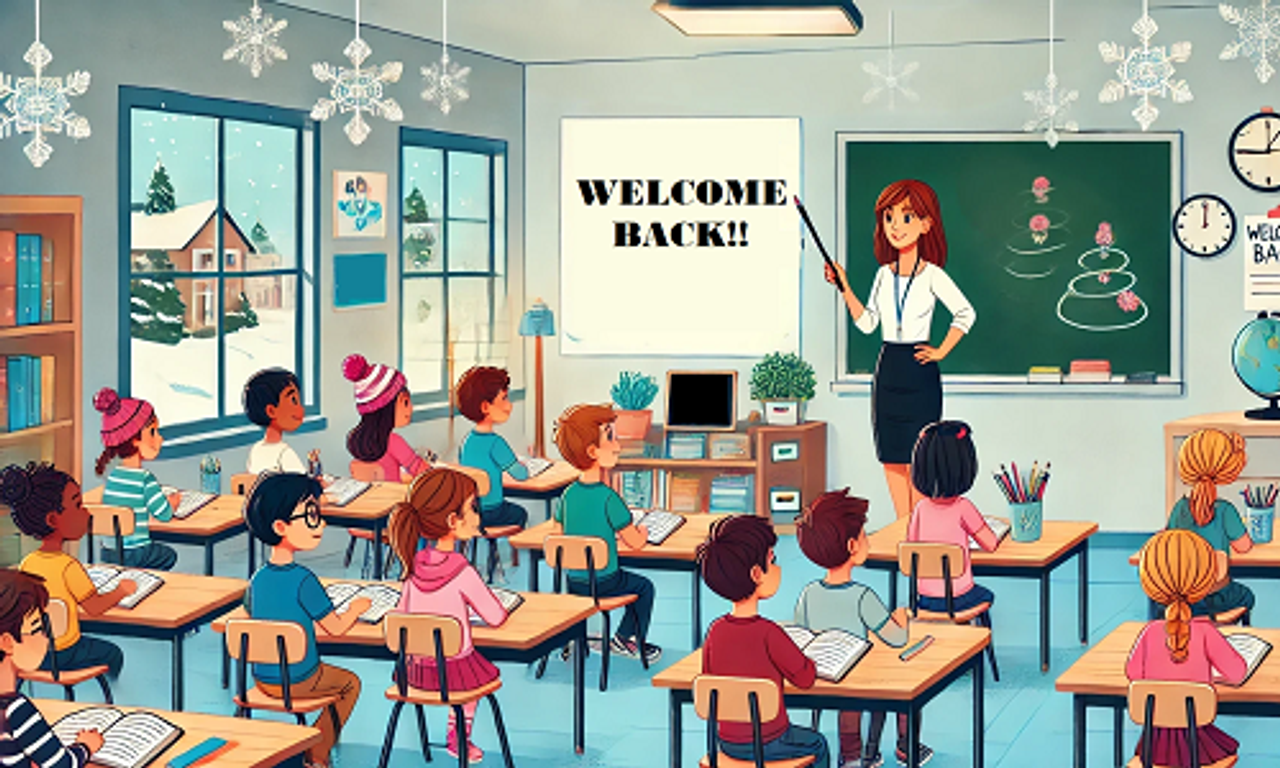
Starting Fresh: Strategies for a Successful January Return to the Classroom
2nd Jan 2025
Coming back to school after winter break can be both exciting and daunting. It’s a chance to reset and refocus, but it’s also a time when challenges from the fall can resurface. Many teachers have shared their struggles with behavior management, student engagement, and a lack of support, making January the perfect time to regroup and implement new strategies.
Here’s how you can start fresh in January and set the tone for a positive and productive second half of the school year.
1. Reflect on the Fall Semester
Before diving into strategies, take time to reflect on what worked and what didn’t in the first semester. Were your classroom expectations clear? Were consequences for poor behavior consistent? Did you make meaningful connections with your students? Reflecting on these questions can help guide your January reset.
As teacher Lori Colley shared, the fall was a time to figure out what students needed most. For her, that meant focusing on foundational skills like multiplication and creating a classroom contract to maintain civility. Use January to refine what you’ve learned about your students and their needs.
2. Reestablish Non-Negotiable Rules
January is the perfect time to revisit and reinforce classroom expectations. Consistency is key, as many teachers emphasized in their shared experiences.
- Set Clear, Non-Negotiable Rules: Rules like “no talking during instruction,” “no disrespect,” and “no interrupting small groups” create a structured environment where learning can thrive. Teachers like Ronecia Battle-Clark highlight the importance of enforcing these rules with immediate and consistent consequences, such as phone calls home or office referrals.
- Daily Reviews: As Dixie Strottman suggests, go over the rules every single day. Start each class with a quick reminder to reset expectations and refocus students.
For added emphasis, consider creating an anchor chart with your rules or verbally reinforcing them daily. Even older students benefit from reminders.
3. Focus on Building Relationships
The start of the year is also an opportunity to rebuild or strengthen connections with students. Some students may have felt disengaged in the fall, so January is a chance to reset the tone.
- Get to Know Your Students Again: Take time to connect with students individually. Simple check-ins about their winter break or their goals for the new year can help rebuild rapport.
- Remind Students of Your Belief in Them: Students need to know you’re in their corner. Luiza Fowler reminds her students that “math is not a spectator sport” and encourages active participation. Reinforce the idea that you care about their success and are there to support them.
Building relationships can also help address behavioral challenges. As Angie Rachels shared, forming connections with students can break down walls and foster respect, even in the most challenging groups.
4. Address Behavioral Challenges with Consistency
January is a great time to address lingering behavior issues head-on. Many teachers shared frustration over students’ lack of effort or respect, but they also emphasized the importance of staying consistent.
- Zero-Tolerance Policies: Consider adopting zero-tolerance approaches for disruptive behaviors. For example, Tamera Boles Shreve suggests having students call or text their parents immediately when an issue arises. This immediate accountability can deter negative behavior.
- Structured Interventions: If students are struggling to complete work, pull them from electives or free periods to focus on catching up. Susanne Kim Schraa uses this strategy to ensure students take responsibility for their assignments.
If you struggled with classroom management in the fall, January is the time to tighten up your policies and stick to them.
5. Revisit and Adjust Academic Goals
Many teachers reported that their students are performing below grade level, making it challenging to move forward with new material. January provides a fresh start to reassess academic goals and set realistic expectations.
- Focus on the Basics: If foundational skills are still a struggle, dedicate time to reteach and reinforce them. For example, Lori Colley spent much of the fall revisiting multiplication facts and plans to continue addressing gaps in the new year.
- Challenge Students at All Levels: While some students may be behind, don’t forget to provide challenges for those who are ready to move ahead. Differentiated instruction can ensure all students feel engaged and supported.
6. Partner with Parents and Administrators
While parental and administrative support may have been lacking in the fall, January is a chance to reset these relationships.
- Improve Communication with Parents: Teachers like Mary Jackson emphasized the importance of consistent communication with parents. By documenting behaviors and reaching out regularly, you can build a stronger partnership with families.
- Advocate for Support: If administrative support was an issue, consider meeting with your school leaders to discuss how they can better assist you in maintaining a productive classroom environment. Share specific examples and solutions to create a collaborative approach.
7. Take Care of Yourself
January can feel overwhelming as you work to implement changes and reset your classroom. Don’t forget to prioritize your own well-being.
- Celebrate Small Wins: Focus on the progress you’re making, even if it’s small. Did a usually disruptive student follow the rules for a day? Celebrate that.
- Lean on Colleagues: Sharing experiences with other teachers can provide valuable support and ideas. As Susan King said, it helps to know you’re not alone.
Final Thoughts
January is a time for new beginnings—for you and your students. By reflecting on the fall, reestablishing expectations, and focusing on relationships, you can set the stage for a successful and fulfilling second semester. Remember, you’re not alone in the challenges you face, and with a clear plan and consistent effort, you can turn things around.
What are your goals for starting fresh in January?
 Recently Viewed